
Menu
Springfield Concrete Repair: Quick Fixes vs Full Repair
Concrete Repair Springfield
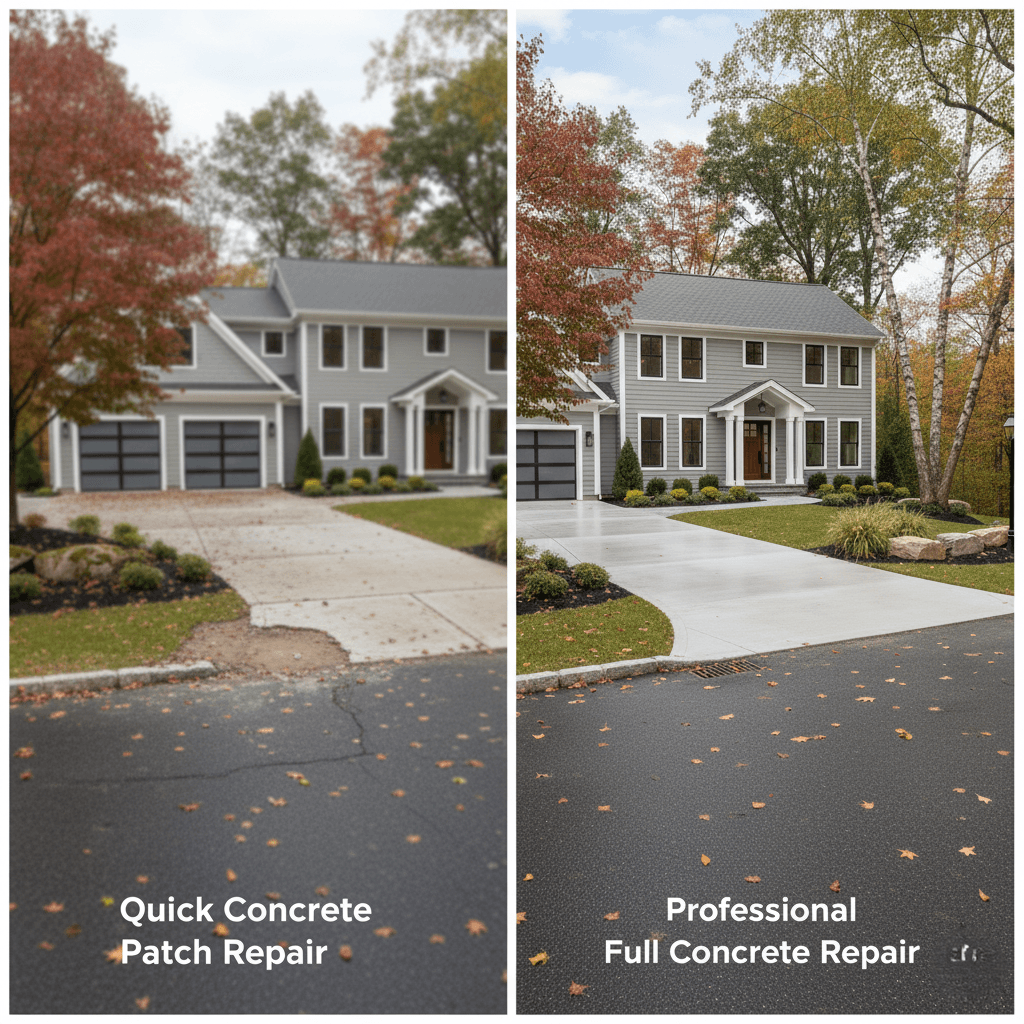
Springfield homeowners often face the critical decision between temporary quick fixes and comprehensive concrete repair solutions when addressing deteriorated surfaces. Understanding the fundamental differences between these approaches helps protect long-term property investments while avoiding costly recurring problems. Quick fixes typically provide short-term relief, costing $50-300 per application, but may require annual reapplication as underlying issues persist. Professional concrete repair addresses root causes through comprehensive solutions ranging from $500-$3,000 per project with decades of reliable performance. Massachusetts’ freeze-thaw cycles and expansive soils demand careful consideration of repair methods, ensuring durability through challenging seasonal conditions. Choosing appropriate concrete repair solutions Springfield strategies depends on damage severity, budget constraints, and long-term property goals rather than simply addressing visible symptoms.
Understanding Quick Fix Solutions
Quick-fix solutions for cracked or damaged concrete are short-term, non-invasive, and inexpensive ways to quickly remedy safety issues or cosmetic issues without permanently repairing the problem. The cost of applying a quick-fix solution for a damaged section of concrete will vary depending on the type of product used (sealer, caulk, etc.) and the size of the damaged area. In general, the price of a quick-fix solution can range anywhere from $50 to $200 to apply the solution. Most quick-fix products provide some form of immediate relief, usually taking just hours to complete, as opposed to several days to apply a professional solution.
As an example, a property owner may apply a quick-fix solution for a small hairline crack in their driveway during the first week of January before it gets too cold. This would be a good time to apply a quick fix because there is no snow on the ground, and the air is relatively dry. However, the next time it freezes in late February or early March, the quick-fix solution may fail because it does not have enough flexibility to move with the concrete as the temperature changes. By this point in the spring, the weather has warmed up, and the property owner may wish to have the crack professionally repaired so it doesn’t occur again. Unfortunately, they will likely need to wait until the weather warms up in the spring to get the crack professionally repaired.
Uses for Quick Fix Products
There are many different uses for quick-fix products, although most fall under the category of emergency repairs to help prevent further damage until a more permanent repair can be made. For instance, a property owner who notices a large crack in his sidewalk may need to temporarily seal the crack to prevent tripping hazards from occurring. Additionally, a property owner may need to temporarily seal his basement walls to prevent water from entering his home. These types of applications are considered “quick-fixes” because they are meant to last for a short period of time, and are typically less expensive than having a more permanent solution applied.
In addition to emergency repairs, there are also several different types of quick-fix products that are commonly used to improve the aesthetics of a concrete surface. For example, some products can be applied to a damaged area of concrete to fill in holes or chips. Some products can be applied to the surface of concrete to improve its color and texture. Finally, some products can be applied to the surface of concrete to protect it from stains caused by oil, grease, or other substances.
Examples of Different Types of Quick Fix Solutions
- Concrete Crack Caulk – Flexible Sealant to Protect Against Water
- Surface Patching – Fill Holes & Chips Using Pre-Mixed Compounds
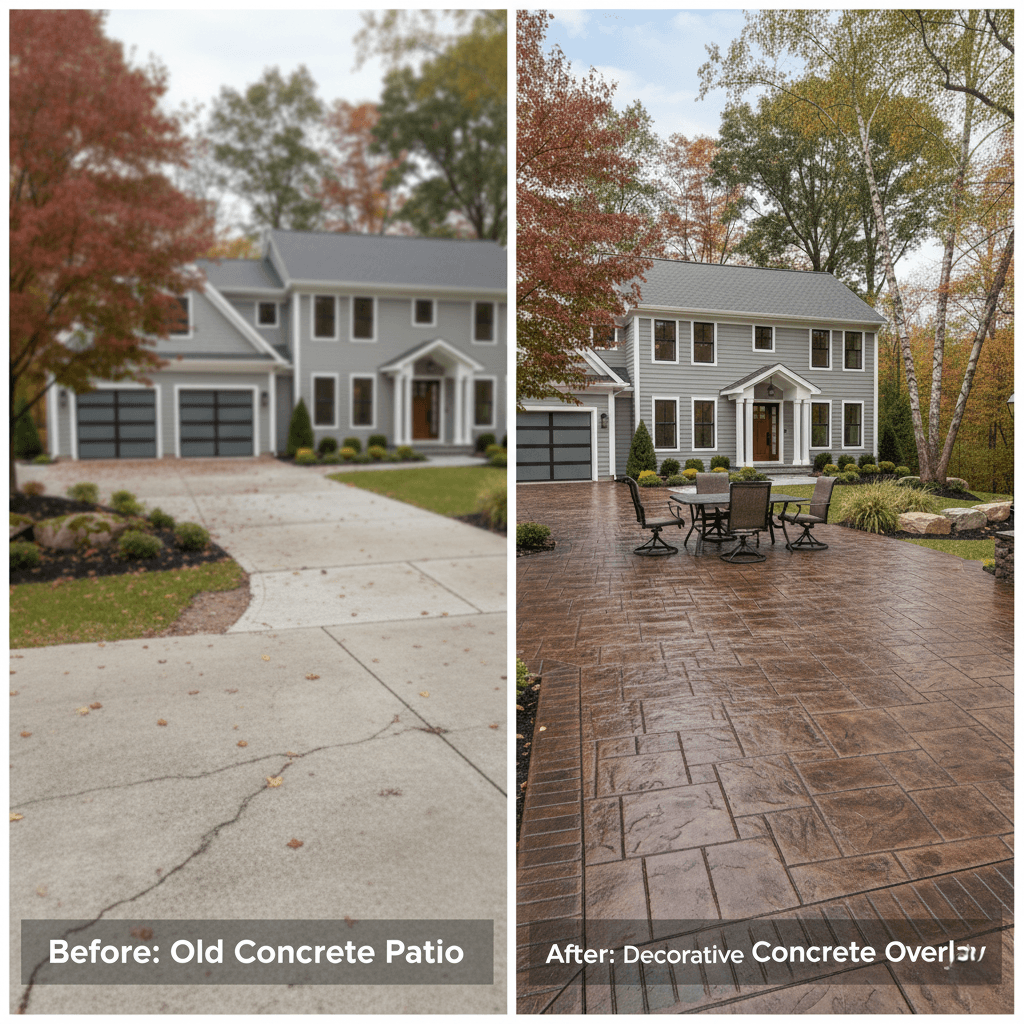
- Overlay – Create A New Surface Appearance Without Addressing Structural Issues Underneath
Permanent Concrete Restoration
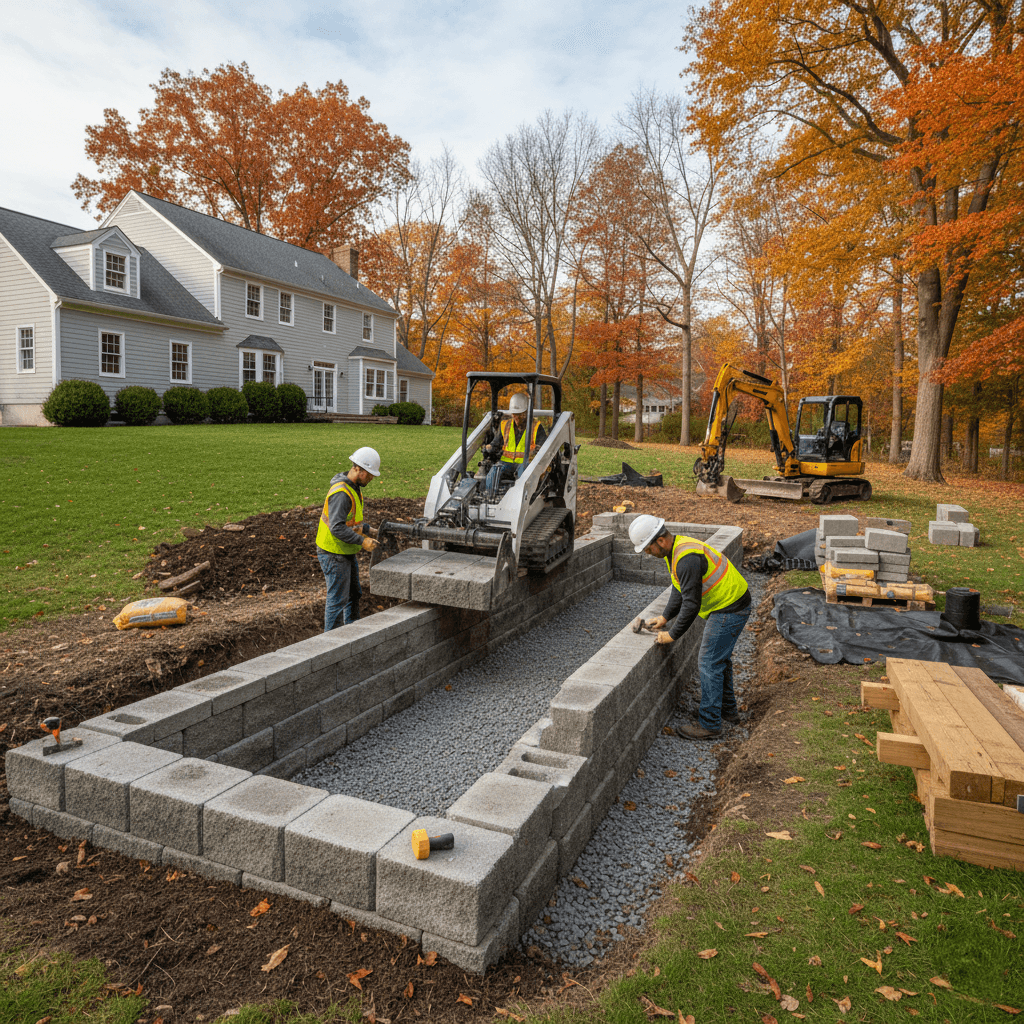
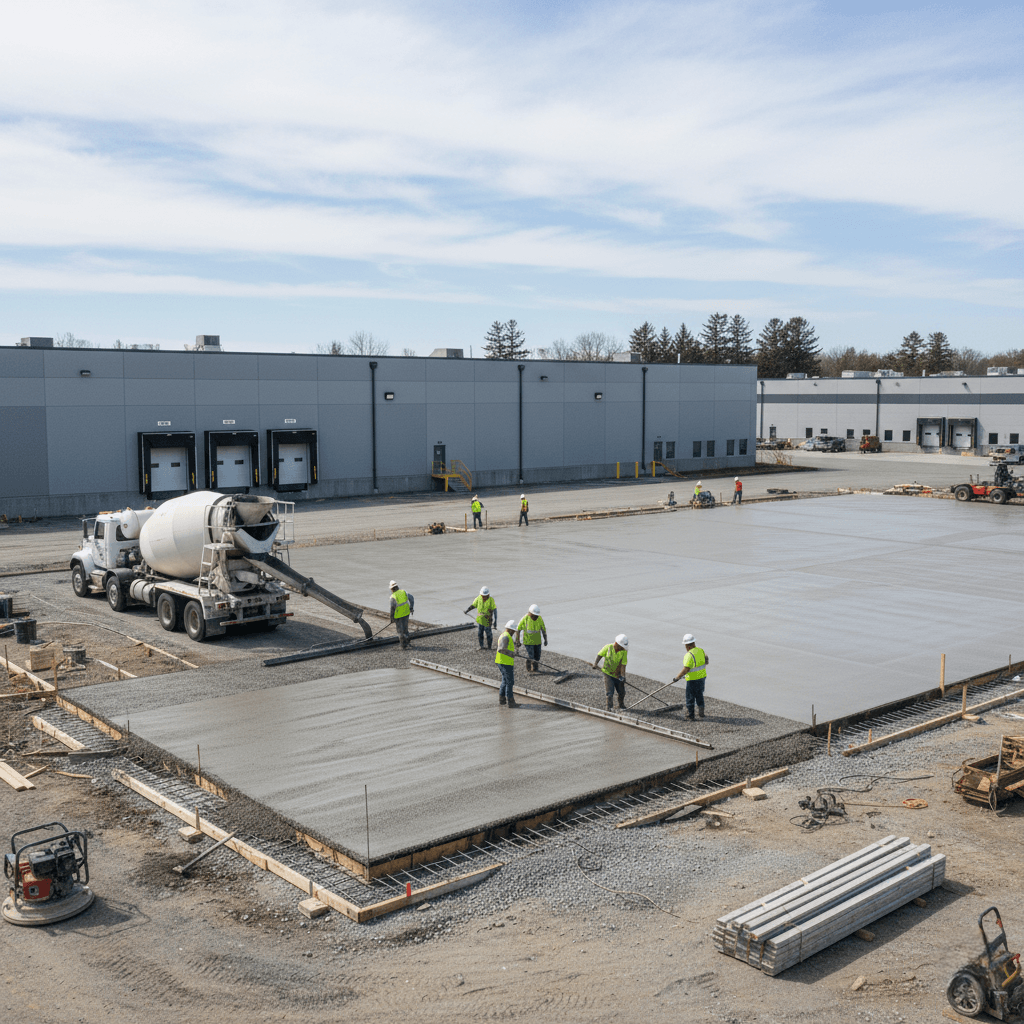
A permanent concrete restoration is a comprehensive approach to repairing damaged or deteriorated concrete by addressing the root cause of the issue(s), and not just the symptom(s). Permanent restoration may involve addressing issues such as foundation settlement, drainage, soil erosion, and/or material degradation. The purpose of permanent restoration is to prevent future damage and ensure that the repaired area performs similarly to the surrounding areas for an extended period of time. Typically, a permanent restoration takes longer to complete than a quick-fix solution, and can take anywhere from 2 to 7 days to complete. However, a permanent restoration should last for 15-30 years or longer after completion.
Benefits of Comprehensive Concrete Repairs
The primary benefits of comprehensive concrete repairs are that they address all the contributing factors to the problem rather than just treating the symptom. Comprehensive repairs often include multiple elements, such as drainage corrections, substrate stabilization, and surface restorations. As a result, comprehensive repairs tend to prevent future damage, save money and frustration in the long run, and provide peace of mind to homeowners. Comprehensive repairs also provide a much better warranty and guarantee for the homeowner’s investment.
Engineered Repair Systems
Engineered repair systems are designed to outperform traditional repair methods by utilizing the correct materials and application procedures. Engineered repair systems provide a high level of performance and durability, and provide the best opportunity for successful repair. Engineered repair systems also provide superior warranties and guarantees compared to traditional repair methods.
DIY Concrete Repairs
While it is possible to attempt to make your own repairs to damaged concrete, it is generally recommended that you hire a licensed contractor to do the job for you. A licensed contractor will have the knowledge and experience to properly evaluate the damage and recommend the correct course of action for repair. Licensed concrete contractors will also have the proper equipment and materials needed to complete the repairs and provide the necessary warranties and guarantees for the homeowner’s investment.
Benefits of Hiring a Contractor
One of the primary benefits of hiring a contractor to make your concrete repairs is that they will know how to properly prepare the substrate to receive the new repair material. Contractors will also have access to the proper equipment needed to make the repairs. Contractors will also know how to properly mix and apply the repair materials. Finally, contractors will provide the homeowner with a warranty and guarantee for their work.
Factors to Consider When Evaluating the Damage to Your Concrete
Before determining whether or not to make a quick fix to your damaged concrete or to have a more comprehensive repair done, it is important to consider the severity of the damage. If the damage is severe enough, it may be best to have a more comprehensive repair done rather than attempting to make a quick fix. It is also important to determine the age and overall condition of the existing concrete, as this will influence what type of repair strategy to implement. Finally, it is also important to consider the timeline of the repair, with immediate repairs requiring a quick-fix solution and planned repairs allowing for a more comprehensive solution.
Why Use a Professional?
Using a professional to assess and make repairs to your damaged concrete can be beneficial for several reasons. First, a professional will be able to objectively evaluate the damage to your concrete and provide you with a detailed report of the findings and recommendations for repair. Second, a professional will provide you with a variety of repair options and provide you with a detailed estimate for each option. Third, a professional will ensure that all applicable building codes and regulations are followed. Fourth, a professional will ensure that the repairs meet all applicable industry standards. Fifth, a professional will provide you with a warranty and guarantee for their work. Sixth, a professional will ensure that the repairs are performed ipromptlyand at a reasonable cost. Seventh, a professional will provide you with peace of mind knowing that your repairs were done correctly and safely.
Warranty Considerations
When deciding on a company to make repairs to your damaged concrete, it is essential to ask about their warranty and guarantee policies. While most companies will offer a warranty and guarantee for their work, the length of the warranty and the terms of the guarantee can vary greatly. Therefore, it is crucial to carefully review and understand both the warranty and guarantee offered by the company before signing a contract. At Springfield Concrete Masters, we provide our customers with a comprehensive warranty and guarantee for all of our services.
Repair Options for Your Damaged Concrete
When it comes to evaluating and making repairs to your damaged concrete, there are two basic options: a quick-fix solution or a more comprehensive solution. While both options have their benefits and drawbacks, the decision ultimately comes down to what is best for your particular situation. While a quick-fix solution may seem like a viable option for your damaged concrete, it is essential to consider the potential long-term consequences of selecting this option. A quick-fix solution will typically only address the symptoms of the problem, whereas a more comprehensive solution will address the root cause of the issue.
Springfield Concrete Masters offers a wide range of repair options to fit any of our customers’ needs. Whether you are looking for a quick-fix solution or a more comprehensive solution, we have the expertise and resources to handle the job. At Springfield Concrete Masters, we strive to provide our customers with the highest level of quality service, professionalism, and customer satisfaction.
LATEST POSTS