
Menu
Springfield Polished Concrete Flooring: Pros & Costs
Concrete Flooring Springfield
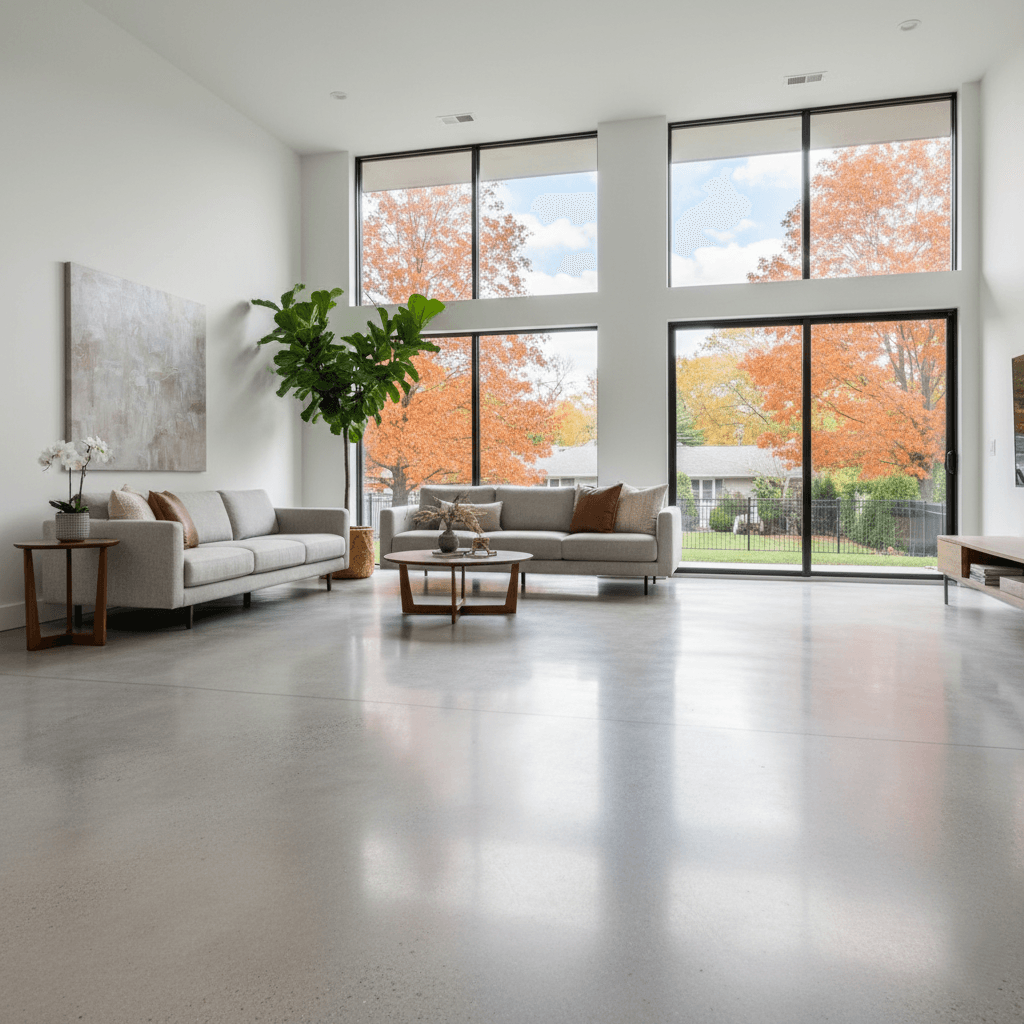
Polished concrete flooring has become a popular choice among today’s homeowners due to its durability, cost-effectiveness, and attractive look. For those who live in the city of Springfield, Massachusetts, it is beneficial for them to be aware of the costs associated with having polished concrete installed locally, as well as understand how the New England climate will affect the polished concrete floor. A professional contractor will be able to assist you in selecting the right materials that are required by your area, in understanding what the installation process will entail, and also guide you on the long-term maintenance that will be required. Properly installing polished concrete floors can give you many years of use from these floors and increase the value of your property within the Pioneer Valley.
Advantages of Polished Concrete Floors
The major advantages of a polished concrete floor are:
- The longevity of a polished concrete floor is one of its greatest advantages, with a well-installed system having a life span of 50 to 100 years in normal residential usage.
- Additionally, the polishing process produces an incredibly hard surface that is much less susceptible to scratches, stains, and impact damage compared to other types of flooring materials.
- The low-maintenance aspect of polished concrete will appeal to busy families in Springfield, and they need only clean their polished concrete floors regularly with basic floor cleaners.
Polished concrete has also been found to have energy-efficient qualities. One of these qualities is thermal mass, which allows the concrete slab to absorb heat during the day and slowly release it at night, reducing heating and cooling costs as a result of the varying seasonal temperatures in Massachusetts. Polished concrete also provides a highly reflective surface that distributes natural light and reduces the amount of artificial lighting needed in many commercial and residential applications.
Design Versatility
Polished concrete flooring is very versatile and offers numerous design options. These design options include color customizations via acid stains, water-based stains, and integral pigments that offer endless aesthetic possibilities. Decorative techniques such as scoring, stenciling, and aggregate exposure add visual interest to residential and commercial spaces. In addition, polished concrete floors can be produced at various finish levels from matte to high-gloss to suit differing design preferences and functional needs.
One of the key features of polished concrete flooring is that it does not have seams (or joints) like many other flooring materials, therefore eliminating the grout lines and transitions that are often dirty and harbor bacteria. Therefore, polished concrete flooring is ideal for kitchens, bathrooms, and commercial settings where ease of sanitation is a concern. Additionally, polished concrete flooring can produce the appearance of tile or stone through saw cuts and decorative scoring without the maintenance drawbacks of those materials.
Springfield Concrete Flooring Costs
According to local market data, current installation costs for typical residential projects in Springfield range from $859 to $1,011. A basic polished concrete floor can cost anywhere from $3 to $5 per square foot, while a premium polished concrete floor with multiple colors and decorative elements can cost up to $15 per square foot. Due to the specialized equipment and expertise involved, labor accounts for approximately 60 to 70 percent of the total project costs.
Costs related to the material used in the installation of polished concrete floors vary depending on the condition of the existing floor and the level of polish required. Concrete preparation that includes repairing cracks and grinding the surface can cost an additional $1 to $3 per square foot above the basic price of the polished concrete floor. In addition, premium staining and sealing treatment options can increase costs by an additional $2 to $6 per square foot, depending on the level of complexity of the treatment and the area being treated.
Size of Project
Economies of scale apply to larger installations, resulting in reduced costs per square foot. For example, costs per square foot decrease significantly on installations exceeding 1,000 square feet. However, small residential rooms may require hand polishing in tight spaces, resulting in significantly higher labor costs. Mobilizing equipment for large installations spreads the costs associated with this activity over a larger number of units, reducing the overall unit price.
Projects involving basement concrete flooring typically involve installing polished concrete floors over existing concrete slabs. Complete installations, including necessary moisture-mitigation measures, typically cost $2,000 to $8,000. Additional underlayment preparation for above-grade installations typically add $2 to $3 per square foot to the standard cost of a polished concrete floor. Installations that feature complex designs with multiple colors or patterns typically command a premium price due to the increased labor time required to complete them.
Overview of Installation Process
Professional polished concrete installation starts with a comprehensive surface-preparation process, including the removal of existing flooring materials and the repair of cracks or damaged areas in the concrete. The surface-preparation process involves the use of grinding equipment to remove surface irregularities and open up the pores in the concrete so that stains and sealers can penetrate evenly. Diamond grinding equipment progressively creates smoother surfaces through multiple passes with successively finer abrasives.
After the grinding process is completed, stain and color applications are made to the concrete surface. To achieve maximum depth and visual effect, multiple layers of stain can be applied to the surface. After all of the stain layers have been applied, the surface is then sealed to protect it from stains and moisture and to enhance its appearance.
Quality Assurance and Control Procedures
Before commencing the polishing process, a contractor must test the moisture content of the concrete slab to determine whether it meets the standards established by the industry. Excessive moisture in the concrete can lead to poor adhesion of the polish and/or the sealer, and potentially result in poor-quality finishes and potential failure of the polish and/or sealer over time. Contractors utilize calibrated moisture meters to measure the moisture content of the concrete slabs throughout the installation area to ensure that the moisture content is within acceptable limits.
The selection of diamond tools utilized in the polishing process impacts the final quality and appearance of the surface of the polished concrete floor. The progressive grit sequence from coarse-cutting diamonds to fine polishing compounds is essential to achieving the desired finish level. If improper techniques are employed during the polishing process, burns and uneven finish levels can occur, resulting in an undesirable appearance of the polished concrete floor.
Consideration of Climate in Springfield
Due to the unique New England climate, specific consideration must be given to controlling moisture and thermal cycling during the installation and curing of polished concrete floors. Changes in humidity levels can affect the penetration of stains and drying times, and, as such, environmental controls should be employed during the application of stains and sealers. Temperature fluctuations experienced during the year can cause concrete to expand and contract, and, if not properly sealed, can lead to freeze/thaw damage and subsequent spalling or cracking of the concrete surface.
Utilizing a qualified contractor who understands the local climate and adjusts the installation procedure accordingly is essential for ensuring a successful polished concrete floor installation.
Timing of Installation During the Year
Generally, spring and fall provide the best conditions for the installation of polished concrete floors due to moderate temperatures and humidity levels. Summer installations may require environmental controls to prevent excessive drying of the surface, which can lead to surface defects. Winter installations require heated environments to facilitate proper curing and development of the finish.
Installations of polished concrete floors indoors allow for a controlled environment year-round, thereby providing opportunities for concrete flooring installations regardless of the external climate. Basements, in particular, provide a relatively stable temperature and humidity environment, thus creating favorable conditions for polished concrete flooring installations.
Maintenance and Durability
In terms of daily maintenance, polished concrete floors simply require a gentle dust mopping and occasional damp cleaning with pH-neutral cleaners. Regular deep cleaning of the polished concrete floor with specialized cleaners for concrete will maintain the appearance of the floor and the integrity of the sealer. Typically, annual or bi-annual sealer reapplications are sufficient to maintain the stain-resistance and surface protection of the polished concrete floor.
With proper maintenance, polished concrete floors can withstand the rigors of normal usage for decades in residential applications. Commercial installations demonstrate excellent durability in high-traffic situations.
Troubleshooting Common Problems
Scratches to the polished surface of the concrete floor caused by heavy furniture or equipment can be repaired locally through re-polishing the scratched area. Penetration of the stain into the concrete typically requires professional cleaning or selective refinishing of the stained area. Repair of minor chips or cracks in the polished concrete floor typically involves the use of color-matched materials and polishing techniques.
In rare cases, moisture-related issues can arise in properly sealed installations. Moisture-related issues are typically evaluated professionally. White mineral deposits indicating moisture migration through the concrete typically require resealing of the polished concrete floor. Qualified professionals provide warranty coverage and maintenance recommendations for polished concrete flooring to ensure optimal long-term performance.
Regional Considerations and Building Codes
Typically, there are no special permits required for the installation of polished concrete flooring in existing structures in Springfield. Any modifications to structural elements that may be required as part of the installation may necessitate a professional engineering review and permit through the Department of Inspectional Services. Commercial installations must also comply with ADA requirements for slip-resistance and surface texture.
Workplace noise generated by grinding activities may restrict work hours in residential areas surrounding Symphony Hall and other downtown Springfield locations. Qualified contractors utilize dust-collection equipment and adhere to OSHA guidelines to protect workers and occupants during grinding operations.
Environmental Benefits
Polished concrete flooring utilizes the existing structural slabs, eliminating waste associated with the removal and disposal of other types of flooring materials. Using local aggregate for the polished concrete flooring installation reduces the environmental impact associated with transporting aggregates from distant sources. Low-maintenance requirements eliminate the need for frequent and harsh cleaning chemicals associated with other types of flooring materials.
Polished concrete flooring also provides numerous indoor air-quality benefits. The elimination of VOCs emitted by carpets and some resilient flooring materials improves the air quality inside homes and commercial establishments. The polished concrete surface does not support allergens, dust mites, and mold growth that negatively affect individuals who suffer from allergies or asthma. The natural composition of concrete and limited processing required for polished concrete flooring result in environmentally-responsible flooring solutions for health-conscious residents of Springfield.
Springfield Concrete Masters has significant experience in the installation of polished concrete flooring in the Springfield area and surrounding communities. We specialize in transforming average concrete floors into beautiful, durable surfaces that improve the aesthetic and functional aspects of both residential and commercial properties, while providing superior value and long-term performance.
LATEST POSTS