
Menu
When Does a Springfield Home Need Concrete Resurfacing?
Concrete Resurfacing Springfield
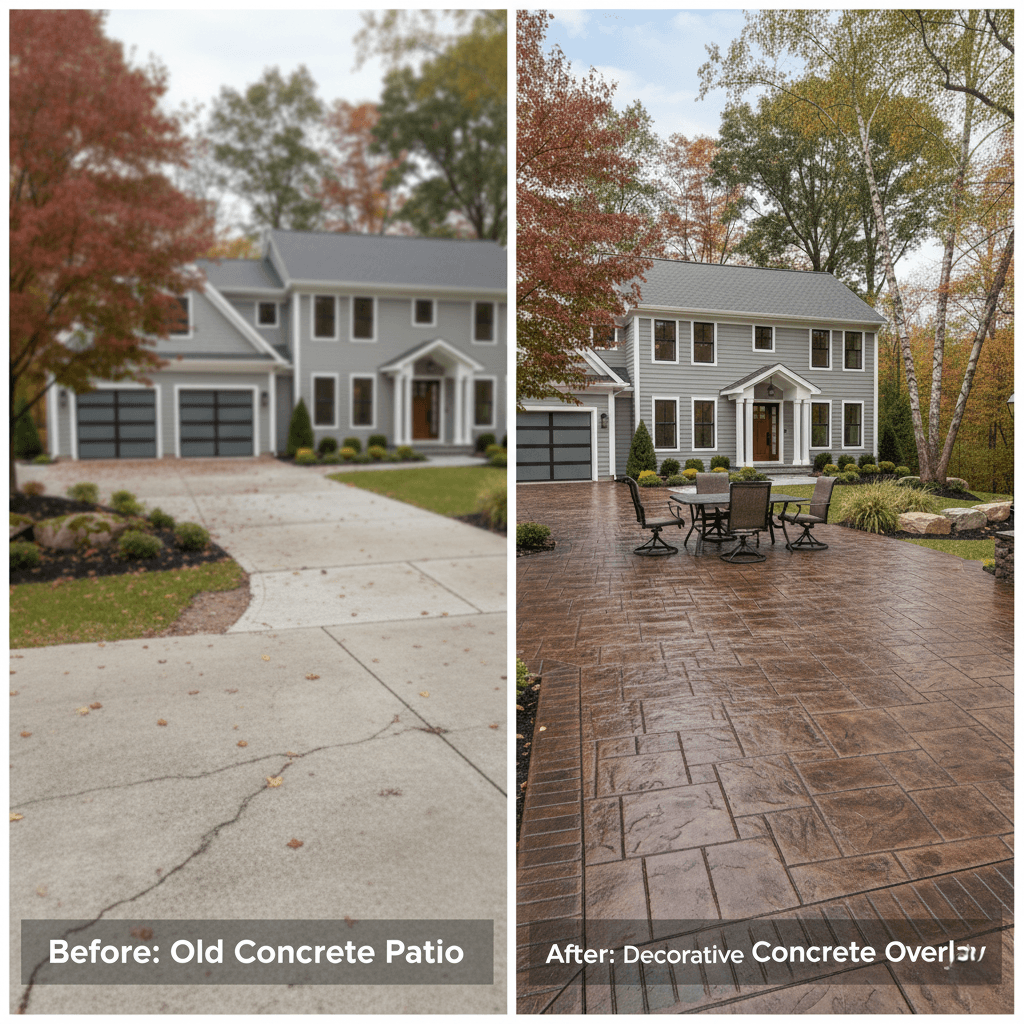
Springfield homeowners face unique challenges that accelerate concrete deterioration, making timely concrete resurfacing essential for maintaining property value and safety. Massachusetts’ harsh freeze-thaw cycles, combined with seasonal temperature extremes, create conditions that rapidly damage unprotected concrete surfaces. Understanding early warning signs helps prevent minor issues from becoming costly replacement projects. Professional concrete resurfacing specialists in Springfield, MA, identify optimal timing based on surface conditions and seasonal factors. Recognizing damage patterns specific to New England climate conditions ensures appropriate intervention before structural integrity becomes compromised. Proactive surface maintenance protects investments while extending concrete lifespan significantly beyond typical expectations.
Freeze-Thaw Damage Evaluation
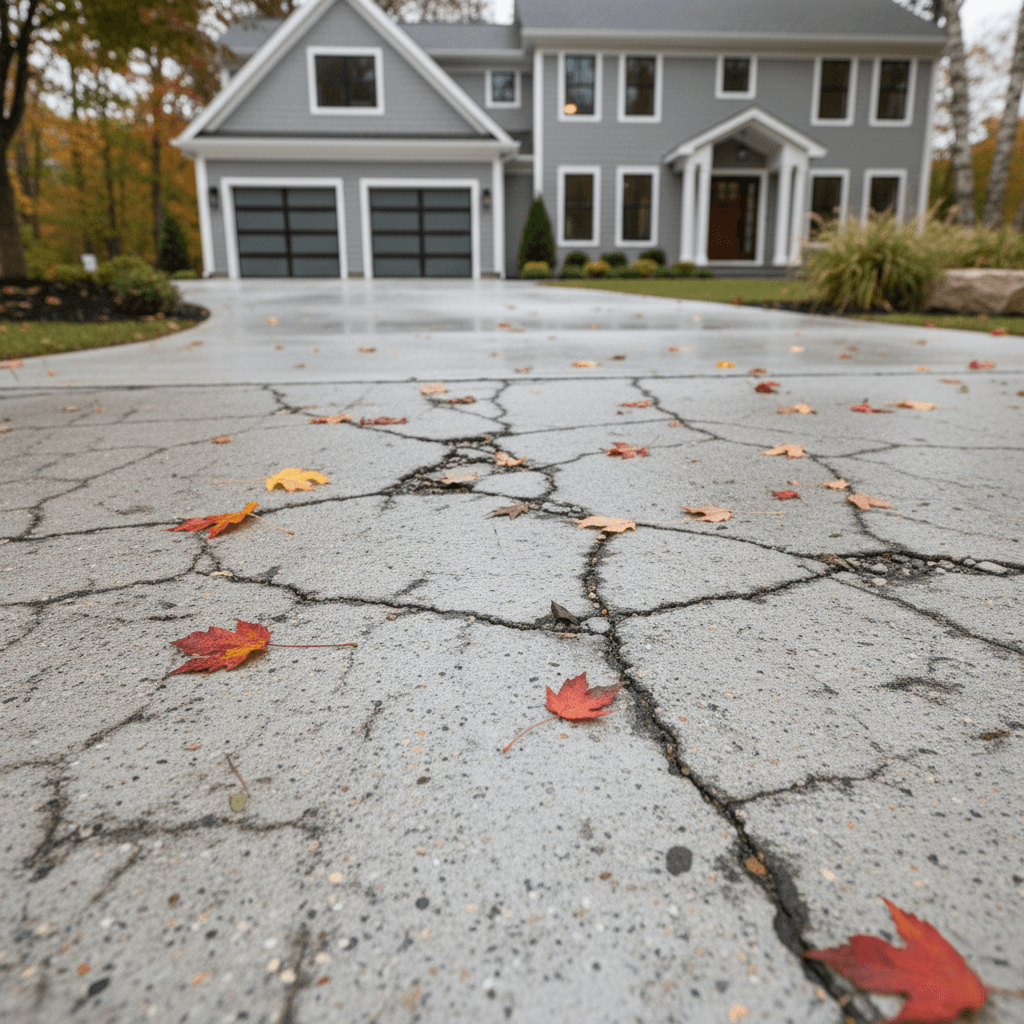
The repeated freeze-thaw cycle is one of the most prevalent reasons that Springfield homes are in need of a concrete repair sign evaluation. When water is absorbed into the concrete, it freezes, resulting in internal pressure that causes the surface to crack and spall. Most times, small hairline cracks will form first and then expand to larger cracks during the next freeze cycle.
Scaling can be observed as flaking or peeling off of the outer layers of the concrete, especially visible after the spring thaw for properties located near Springfield College. As the freeze-thaw cycle continues, the surface becomes more porous, resulting in further deterioration. The same pattern of deterioration is observed throughout the residential areas of Springfield each year if there are no protective measures in place.
Detecting Freeze Damage Early
While there is still a great deal of damage that can occur to your home prior to needing to replace the damaged area, early detection is critical in order to avoid extensive, costly repairs. Pop-outs occur when aggregate breaks loose from the surface of the concrete, causing a hole or unevenness. This type of damage is frequently observed at locations with poor drainage near the Forest Park area.
Patterns of Surface Cracks
The patterns of surface cracks provide a good indication of the degree of severity and what level of concrete repair should take place. A hairline crack (less than 1/8 inch) usually responds to treatment and sealing. However, wider structural cracks often indicate movement in the foundation or excessive weight-bearing, which requires a professional evaluation.
Map cracking results in a series of connected crack patterns across the entire surface and indicates a high degree of deterioration. The area surrounding Springfield Technical Community College has a higher incidence of this type of damage due to heavy use and age.
Temperature-induced cracking also follows predictable patterns and is often the result of an improper expansion-joint installation.
Monitoring Crack Progression
As you monitor the progression of cracks on your property, you will be able to determine the ideal time for taking corrective action and prevent damage that could have been avoided. If cracks are moving with each season, they are likely the result of active freeze-thaw damage and require immediate attention. Inactive cracks may only require sealing, while active cracks require a full resurfacing solution.
Color Discoloration and Staining Problems
If discoloration remains on your concrete surface over a period of time, this indicates that your surface is highly porous and contaminants are able to penetrate the surface. This problem should be addressed by a professional. Color fading from UV light is common on all colors and stamped concrete installations. Oil stains, rust stains, and chemical staining are indicative of a compromised surface integrity.
Efflorescence is characterized as white salt deposits on the surface of the concrete, and is an indicator of moisture movement through the concrete structure. Areas near the Memorial Bridge are known to have this issue due to their proximity to water sources. Typically, multiple types of staining will indicate that the surface is ready for a full resurfacing.
Aesthetic vs. Structural Concerns
Most aesthetic issues will ultimately lead to structural concerns and should be investigated. A professional contractor will be able to assess whether the discoloration indicates a problem confined to the surface or if it is part of a larger structural issue. Early identification of structural issues will allow homeowners to address both aesthetics and protection at the same time.
Drainage and Water Damage
Poor drainage is a major contributor to the deterioration of concrete and presents additional safety risks during the winter months. Any standing water on your driveway or sidewalk is indicative of some type of settlement or lack of slope in your driveway/sidewalk. Drainage corrections should be made during resurfacing to protect your foundation and eliminate basement-moisture issues.
Ice Accumulation and Drainage Deficiencies
Areas where ice accumulates are indicators of poor drainage and are often found in areas around the Court Square. Poorly graded driveways and sidewalks will direct water towards your home’s foundation rather than away. Professional concrete maintenance in Springfield includes assessing and correcting drainage.
Protecting Your Foundation
Corrective drainage is essential to protecting the integrity of your home’s foundation. Any resurfacing project should include grading adjustments to ensure that water flows away from the structure and not towards it. All aspects of surface and subsurface water management should be considered as part of your integrated drainage system.
Factors of Age and Wear
In Springfield’s climate conditions, most concrete surfaces will need to be resurfaced approximately every 10-15 years. Areas that receive heavy traffic will deteriorate faster than those receiving low amounts of traffic. Due to being installed at approximately the same time, many homes in established neighborhoods, such as Sixteen Acres, tend to experience simultaneous resurfacing needs.
Texture Deterioration
Deterioration of the texture of the surface of the concrete will affect both the appearance and traction of the surface during wet conditions. Smoother surfaces become increasingly slick, while rougher surfaces accumulate dirt and moisture. An experienced contractor will evaluate the extent to which the texture deterioration warrants immediate attention.
Assessment of Traffic Patterns
Heavy-use areas will show increased wear and tear and should be given priority consideration when developing plans for resurfacing. Turning lanes experience the greatest amount of stress, resulting in early deterioration. Foot traffic creates distinct zones of wear, especially evident on walkways and entryways.
Seasonal Considerations for Resurfacing
The ideal time to perform concrete resurfacing is during mild weather conditions so as to avoid extreme temperatures. Assessments performed in the spring immediately following the winter will accurately reflect the total extent of work needed to repair the damaged areas. Installing in the fall allows the surface to cure before potential freeze exposure and avoids the heat of summer.
Application Requirements
There are specific temperature requirements for surface and air temperatures for the application and curing of products. Based upon these requirements, the average construction season in Springfield is from April to October. Optimal conditions for quality resurfacing occur in May-June and September.
Weather Conditions and Scheduling
To ensure the highest quality resurfacing, it is important to monitor the weather conditions prior to and during application. Scheduling and planning resurfacing in Springfield, MA, takes into account both emergency and planned repairs. While emergency repairs are necessary to address safety hazards regardless of the current weather conditions, planned repairs allow for the optimal selection of materials and curing conditions.
Benefits of a Professional Assessment
A professional assessment will distinguish between problems that are limited to the surface of the concrete and those that indicate a structural problem that will require replacement. Contractors who are knowledgeable about the local climate conditions and solutions will identify the underlying cause of the problem, in addition to providing recommendations for materials and methods to prevent future damage.
Benefits of Professional Resurfacing Contractors in Springfield
Experienced professionals, including those at Springfield Concrete Masters, understand the unique challenges of the local climate and the best solutions to address them. Preparation of the surface is a key factor in achieving optimal bonding and the longest lifespan of the resurfacing product. When selecting materials, the contractor will consider the freeze-thaw resistance and local environmental conditions.
Value of Cost-Benefit Analysis
An assessment by a professional will help determine whether resurfacing provides enough value compared to replacement options. In general, early intervention will cost substantially less than waiting until the damage has progressed. The assessment will include long-term maintenance requirements and the projected lifespan of the resurfacing project.
Springfield Concrete Masters evaluates and recommends the optimal time for resurfacing projects based on the condition of your home and your budget. Our professional assessments will ensure timely interventions and maximize the value of your investment, and extend the life of your surface in the challenging climate of Massachusetts.
LATEST POSTS