
Menu
Concrete vs. Asphalt Driveways: Making the Right Choice for Your Springfield Home
Which Driveway Material Is Best for Your Springfield Home?
At Springfield Concrete Masters, we often get asked about the pros and cons of concrete versus asphalt driveways. Both materials have their merits, but which is best for your Springfield home? Let’s break down the comparison to help you make an informed decision.
Durability and Longevity
Concrete
Normally lasts 30 – 40 years under normal maintenance.
Good resistance against the diverse weather of Springfield, and against oil leaks and chemical spills.
Asphalt
Normal lifespan is 15 – 20 years.
May melt in extreme heat.
May be damaged by oil and chemicals.
Winner: Concrete has a better durability life cycle as compared to asphalt, and will ultimately save the homeowner money in the long term.
Time Needed to Install/Process
Concrete
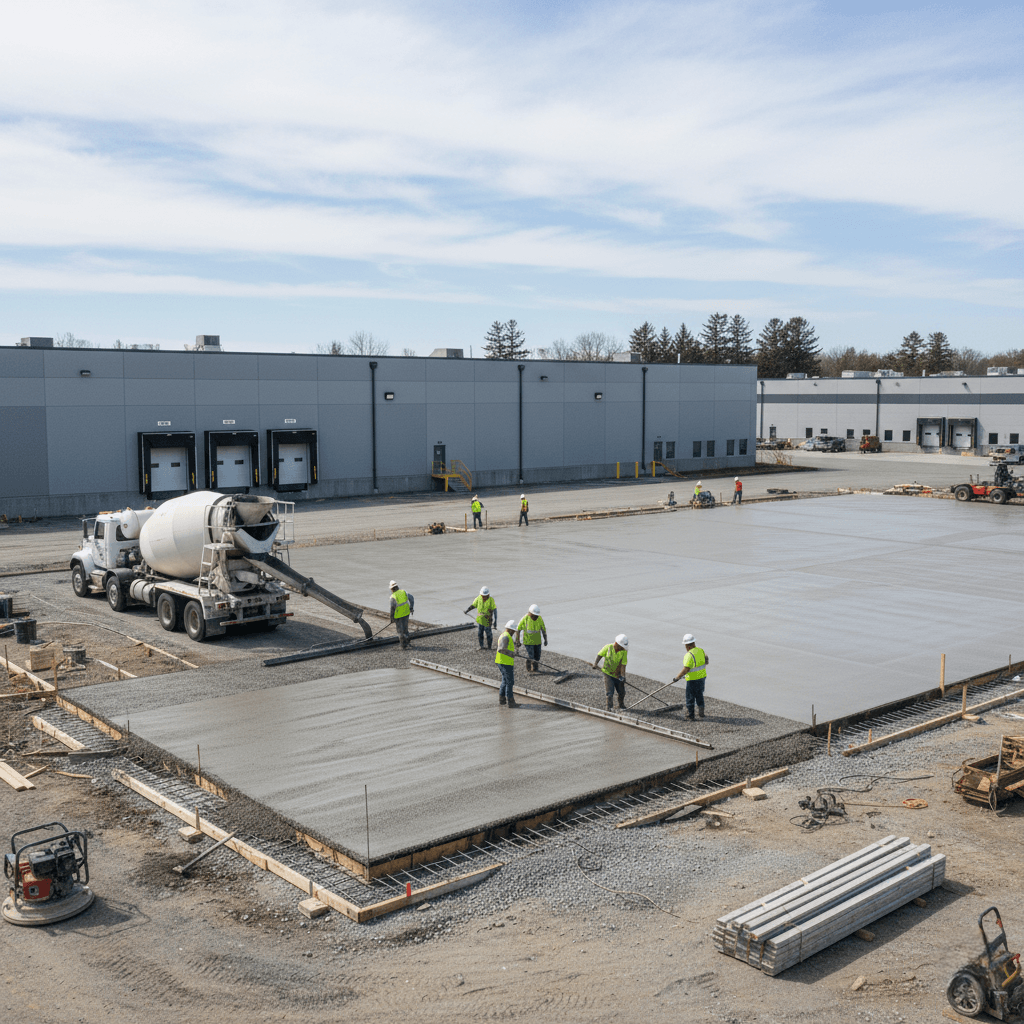
The install time frame is normally 7 – 10 days from beginning to end.
Must cure for 7 days before using the driveway.
Has more steps to install than asphalt.
Asphalt
Can be installed in 1 – 2 days.
Can be used in 24 – 48 hours.
Is simpler to install than concrete.
Winner: Asphalt has a faster installation time frame and can be put into service sooner than concrete. This may be important to some owners who require immediate access to the driveway.
Maintenance Required
Concrete
Little maintenance is required.
Need to clean and seal periodically (every couple of years).
Less frequent crack formation; however, the cracks are more visible than those formed in asphalt.
Asphalt
Need to seal regularly (every 3 – 5 years).
May require resurfacing at 15 – 20 years.
More flexible than concrete; therefore, less noticeable cracks; however, cracks are more common.
Winner: Concrete has fewer long-term maintenance requirements than asphalt and would be the better option for busy homeowners in Springfield.
Cost
Concrete
Higher upfront cost.
Lower long-term maintenance costs.
Could potentially raise the value of the property.
Asphalt
Lower initial cost to install.
Higher long-term maintenance costs.
Will likely need to be completely replaced sooner than the concrete.
Winner: While asphalt is the lower cost to purchase initially, the overall cost of ownership of asphalt is typically higher than that of concrete over time.
Appearance
Concrete
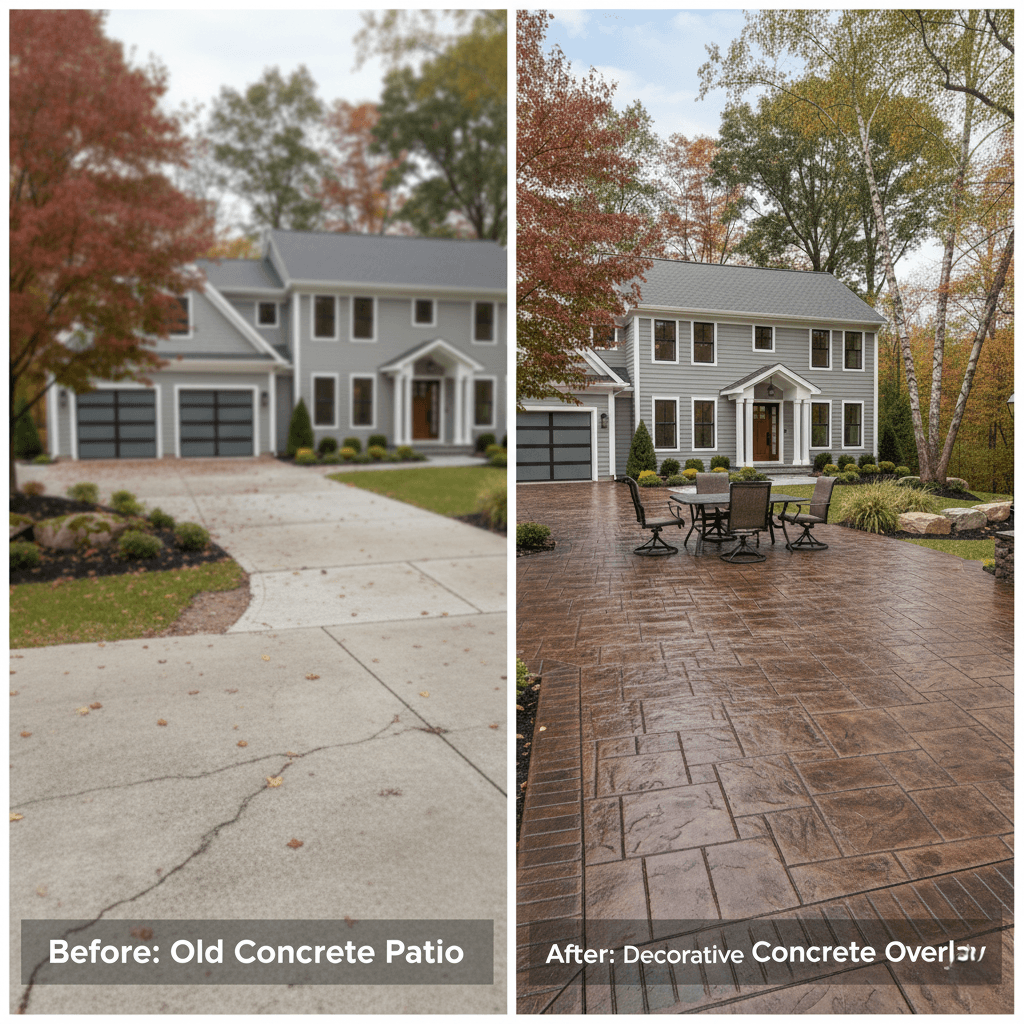
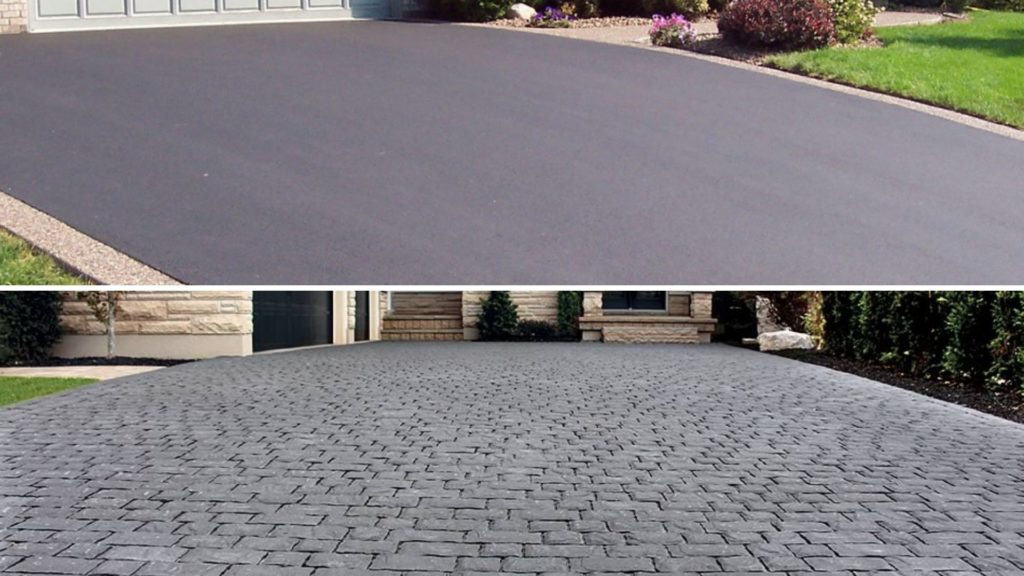
Many color options are available.
Stamping and texture options for custom designs.
Looks newer and longer than asphalt.
Asphalt
Dark colors only.
Fewer design options.
Fades and appears older faster than concrete.
Winner: Concrete provides greater aesthetic flexibility and allows you to create a custom look for your driveway that complements your Springfield home.
Resistance to Weather Conditions in Springfield’s Climate
Concrete
Well-suited to handle freeze-thaw cycles when installed correctly.
Cools down during the hot summer months.
Sensitive to salt in winter.
Asphalt
More flexible in cold temperatures; therefore, fewer cracks.
Softens and forms ruts in extreme heat.
Not as sensitive to salt as concrete.
Winner: This is a tie. Each material has advantages and disadvantages regarding Springfield’s climate.
Finalizing Your Decision
When deciding between concrete and asphalt for your Springfield driveway, consider:
- Your budget (short-term and long-term)
- How long do you anticipate living in your home?
- What style or design do you prefer?
- Are you willing to maintain your driveway?
- The specifics of your land (e.g., slope, drainage)
- Springfield Concrete Masters’ Recommendation
We believe that concrete driveways are the preferred choice for many Springfield area homeowners due to the material’s strength, durability, and aesthetic qualities. The fact that the material can endure our local climate and provide a high-quality, upscale appearance makes it an attractive option for many homeowners.
Although each situation is unique, we offer complimentary consultations to assist you in making the best decision for your individual needs and budget.
Ready to learn about your driveway options? Contact us today at Springfield Concrete Masters. We will assist you in weighing the pros and cons of each option and selecting the best material for your Springfield home.
LATEST POSTS